The Evolution of Mobile Phones: From Brick to Pocket-Sized Powerhouses
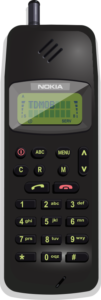
The Early Days: From Brick to Compact Devices
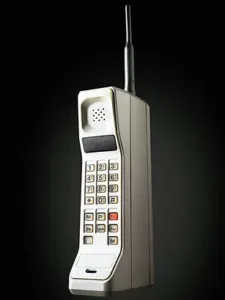
In the early days of mobile phones, they were far from the sleek and compact devices we know today. The first mobile phones were large and bulky, earning them the nickname “bricks.” These early devices were primarily used for voice calls and had limited functionality. They were expensive and only accessible to a select few.
One of the most iconic early mobile phones was the Motorola DynaTAC 8000X, released in 1983. It weighed a whopping 2.2 pounds and had a price tag of $3,995. Despite its size and cost, it was a game-changer in the telecommunications industry, paving the way for future advancements.
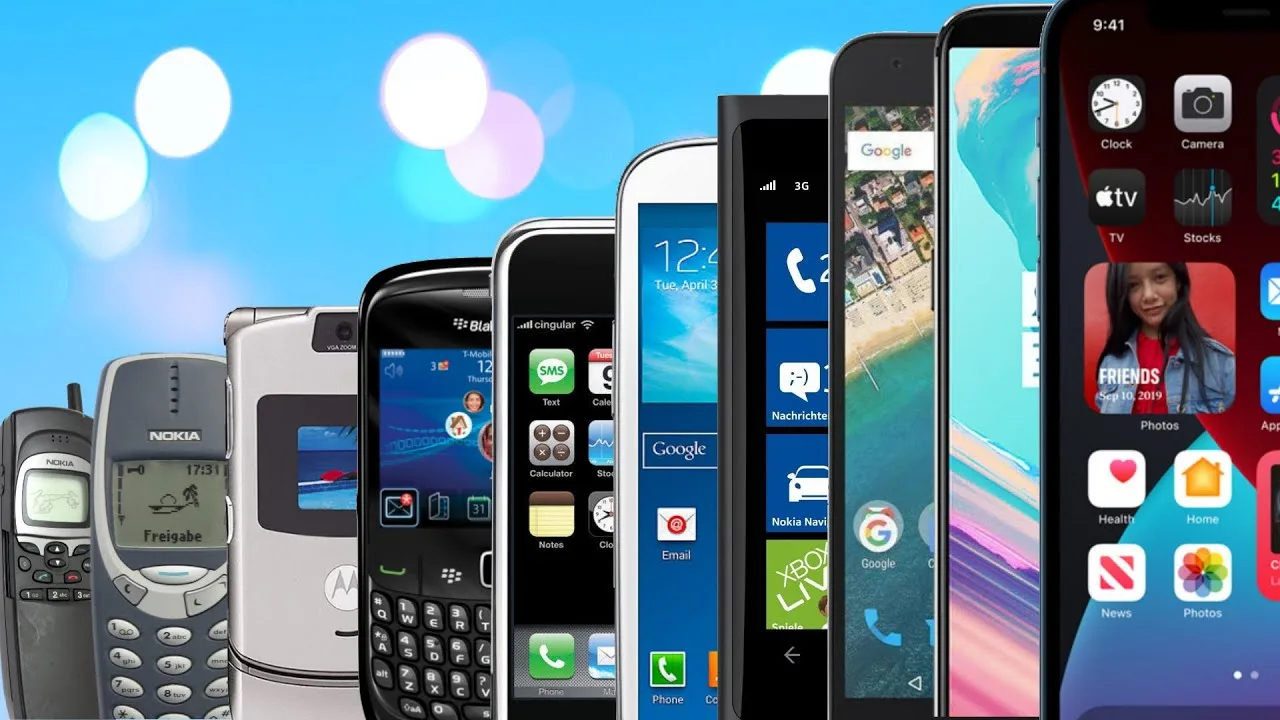
As technology progressed, mobile phones began to shrink in size. The introduction of the “flip phone” in the late 1990s marked a significant milestone in miniaturization. These devices featured a hinged design that allowed users to fold them in half, making them more portable and convenient to carry.
Miniaturization and Advancements: The Rise of Pocket-Sized Phones
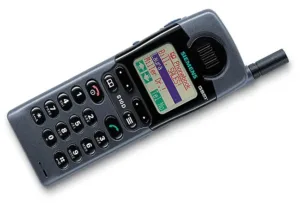
The late 1990s and early 2000s saw a rapid advancement in mobile phone technology. Manufacturers started focusing on miniaturization, aiming to create smaller and more lightweight devices. This led to the rise of pocket-sized phones that could easily fit into a pocket or purse.
Nokia, a leading mobile phone manufacturer at the time, played a crucial role in this evolution. Their Nokia 3210, released in 1999, was a compact and affordable device that became immensely popular. It featured a monochrome display, customizable covers, and the iconic game “Snake.” The Nokia 3210 sold over 160 million units worldwide, solidifying Nokia’s dominance in the market.
As miniaturization continued, mobile phones started incorporating more advanced features. Color displays, built-in cameras, and polyphonic ringtones became standard. The introduction of text messaging revolutionized communication, allowing users to send short written messages to one another.
The Smartphone Revolution: Transforming Mobile Communication
The true revolution in mobile communication came with the introduction of smartphones. The term “smartphone” was coined in the early 2000s to describe devices that combined the functionality of a mobile phone with that of a personal digital assistant (PDA).
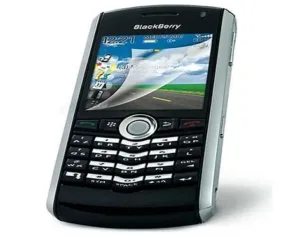
The release of the BlackBerry 5810 in 2002 marked the beginning of the smartphone era. It featured a full QWERTY keyboard, email capabilities, and basic internet browsing. BlackBerry devices quickly gained popularity among business professionals, as they provided a convenient way to stay connected on the go.
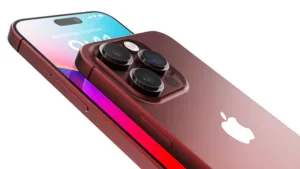
However, it was Apple’s iPhone, released in 2007, that truly transformed the mobile phone industry. The iPhone introduced a revolutionary touch-screen interface and a wide range of applications, or “apps,” that could be downloaded from the App Store. This marked a shift from traditional mobile phones to powerful handheld computers.
Powerhouses in Our Pockets: The Modern Era of Mobile Phones
Today, mobile phones have become powerhouses that fit in the palm of our hands. They have evolved into multifunctional devices that go beyond communication. Smartphones now serve as cameras, music players, gaming consoles, and even fitness trackers.
The modern era of mobile phones is characterized by constant innovation and competition among manufacturers. Companies like Samsung, Apple, and Google continue to push the boundaries of what is possible. Each year, new models are released with faster processors, improved cameras, and enhanced features.
According to Statista, as of 2021, there are over 3.8 billion smartphone users worldwide. This staggering number highlights the ubiquity of mobile phones in our daily lives. They have become an essential tool for communication, entertainment, and productivity.
In conclusion, the evolution of mobile phones from bricks to pocket-sized powerhouses has been a remarkable journey. From the early days of large and