Passiflora: The Beauty and Medicinal Wonders of Passion Flowers
Unveiling the Enchanting World of Passiflora: A Closer Look at the Captivating Beauty of Passionflowers
Passiflora, commonly known as Passion flowers, are a group of flowering plants that belong to the Passifloraceae family. These captivating flowers are renowned for their unique and intricate beauty, which has captivated botanists, artists, and nature enthusiasts for centuries. With over 500 known species, passionflowers come in a wide range of colors, shapes, and sizes, making them a truly enchanting addition to any garden or natural landscape.
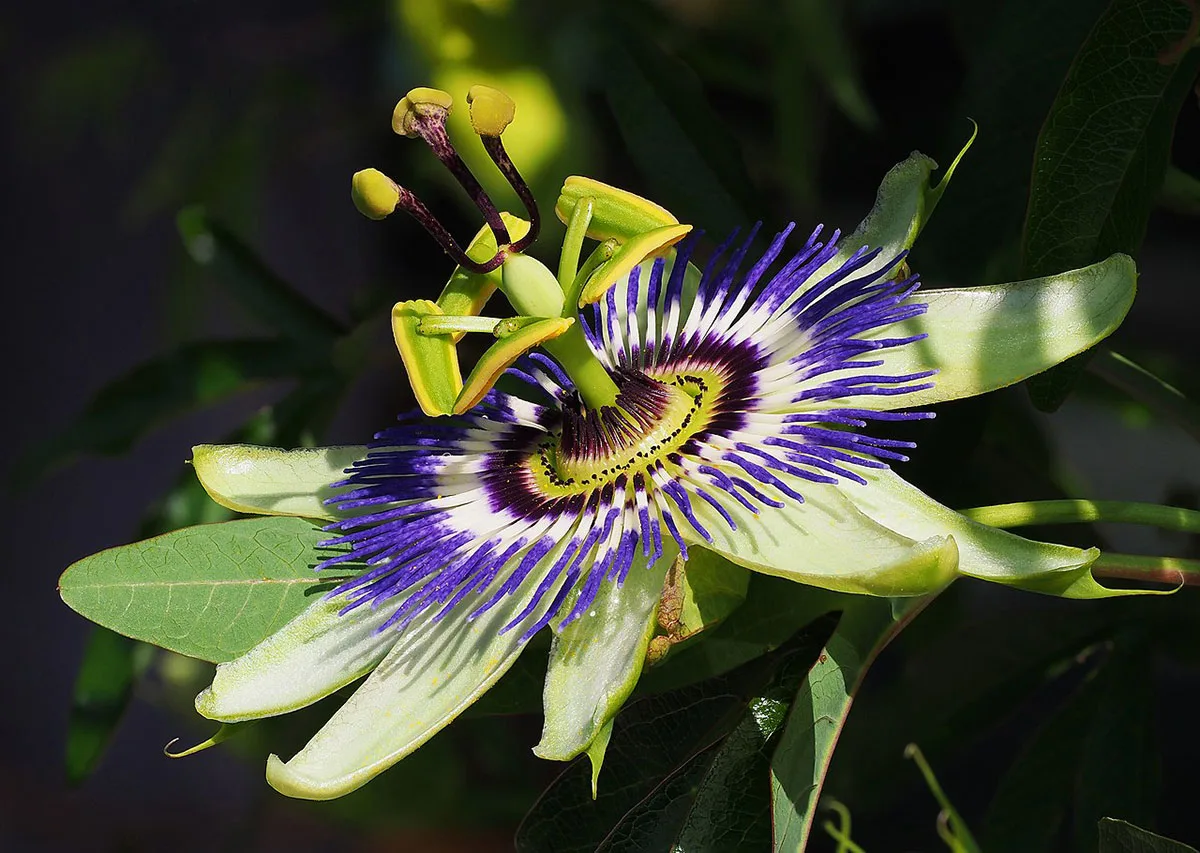
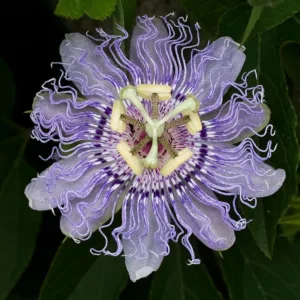
One of the most striking features of passionflowers is their intricate floral structure. The flowers typically have five petals and five sepals, with a central column of stamens and a stigma. The petals are often brightly colored, ranging from vibrant purples and blues to soft pinks and whites. The sepals, on the other hand, are often green and can be adorned with unique patterns and markings. This combination of colors and patterns creates a visually stunning display that is sure to catch the eye of anyone who encounters these flowers.
Passionflowers are also known for their fascinating reproductive strategy. In order to attract pollinators, such as bees and butterflies, passionflowers produce nectar and have a unique floral structure that acts as a landing platform for these insects. The flowers also have a specialized structure called a corona, which consists of a series of filaments that radiate out from the center of the flower. This corona not only adds to the visual appeal of the flower but also serves as a guide for pollinators, directing them towards the nectar-rich center.
 Harnessing the Healing Power: Exploring the Medicinal Wonders of Passiflora and its Therapeutic Benefits
 Harnessing the Healing Power: Exploring the Medicinal Wonders of Passiflora and its Therapeutic Benefits
Beyond their captivating beauty, Passion flowers have long been recognized for their medicinal properties and therapeutic benefits. Traditional healers and herbalists have used various parts of the passionflower plant, including the leaves, stems, and flowers, to treat a wide range of ailments for centuries.
One of the most well-known uses of passionflowers is for their calming and sedative effects. Passionflower extracts have been used to alleviate anxiety, insomnia, and restlessness, promoting a sense of calm and relaxation. Research has shown that passionflower contains compounds that interact with the brain’s receptors, increasing the levels of gamma-aminobutyric acid (GABA), a neurotransmitter that helps regulate anxiety and stress.
Passion flowers have also been used to treat digestive disorders, such as indigestion and irritable bowel syndrome (IBS). The plant contains compounds that have been shown to have antispasmodic and anti-inflammatory properties, which can help soothe the digestive system and relieve symptoms such as abdominal pain and bloating.
Furthermore, passionflowers have been studied for their potential anti-cancer properties. Research has shown that certain compounds found in passionflower extracts have the ability to inhibit the growth of cancer cells and induce apoptosis, or programmed cell death, in cancer cells. While more research is needed, these findings suggest that passionflowers may hold promise as a natural treatment option for certain types of cancer.
 From Ancient Traditions to Modern Medicine: The Historical Significance of Passionflowers in Herbal Remedies
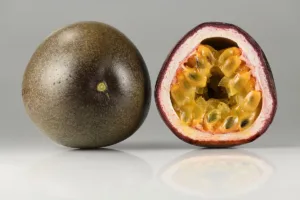 From Ancient Traditions to Modern Medicine: The Historical Significance of Passionflowers in Herbal Remedies
Passiflora have a rich history in traditional medicine, with indigenous cultures around the world using them for various medicinal purposes for centuries. In ancient Aztec and Mayan civilizations, passionflowers were used to treat insomnia, anxiety, and epilepsy. The plant was also believed to have spiritual and religious significance, with its unique floral structure representing the crucifixion of Christ.
During the 16th century, passionflowers were introduced to Europe by Spanish explorers, who were fascinated by their beauty and medicinal properties. Passionflowers quickly gained popularity among European herbalists, who used them to treat a wide range of ailments, including nervous disorders, digestive issues, and pain relief.
In modern medicine, passionflowers continue to be recognized for their therapeutic potential. They are commonly used in herbal remedies and natural supplements for their calming and sleep-inducing effects. Passionflower extracts can be found in various forms, including teas, tinctures, and capsules, making them easily accessible to those seeking natural remedies for anxiety and insomnia.
 Unlocking Nature’s Pharmacy: A Comprehensive Guide to the Medicinal Uses and Potential of Passiflora
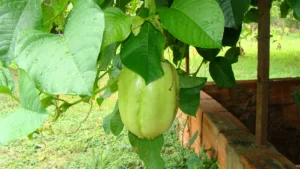 Unlocking Nature’s Pharmacy: A Comprehensive Guide to the Medicinal Uses and Potential of Passiflora
Passionflowers offer a wide range of medicinal uses and potential, making them a valuable addition to nature’s pharmacy. In addition to their calming and sedative effects, passionflowers have been studied for their potential anti-inflammatory, analgesic, and antioxidant properties.
Passionflower extracts have shown promise in reducing inflammation and pain associated with conditions such as arthritis and migraines. The plant contains compounds that inhibit the production of inflammatory molecules and enzymes, helping to alleviate pain and promote healing.
Furthermore, passionflowers are rich in antioxidants, which are compounds that help protect the body against oxidative stress and damage caused by free radicals. Oxidative stress has been linked to various chronic diseases, including heart disease, cancer, and neurodegenerative disorders. By neutralizing free radicals, passionflowers may help reduce the risk of these diseases and promote overall health and well-being.
While passionflowers are generally considered safe for most people, it is important to consult with a healthcare professional before using them, especially if you are pregnant, breastfeeding, or taking any medications. Additionally, passionflowers may interact with certain medications, such as sedatives and blood thinners, so it is important to exercise caution and seek medical advice if you have any concerns.
In conclusion, passionflowers are not only a captivating beauty but also a source of medicinal wonders. From their enchanting floral structure to their therapeutic benefits, Passion flowers have a long history of use in traditional medicine and continue to be recognized for their potential in modern healthcare. Whether you are seeking a natural remedy for anxiety, insomnia, or digestive issues, passionflowers offer a natural and holistic approach to healing and well-being.