Hydrogen-Powered Cars: A Game-Changer in the Automotive World
The Rise of Hydrogen-Powered Cars: Revolutionizing the Automotive Industry

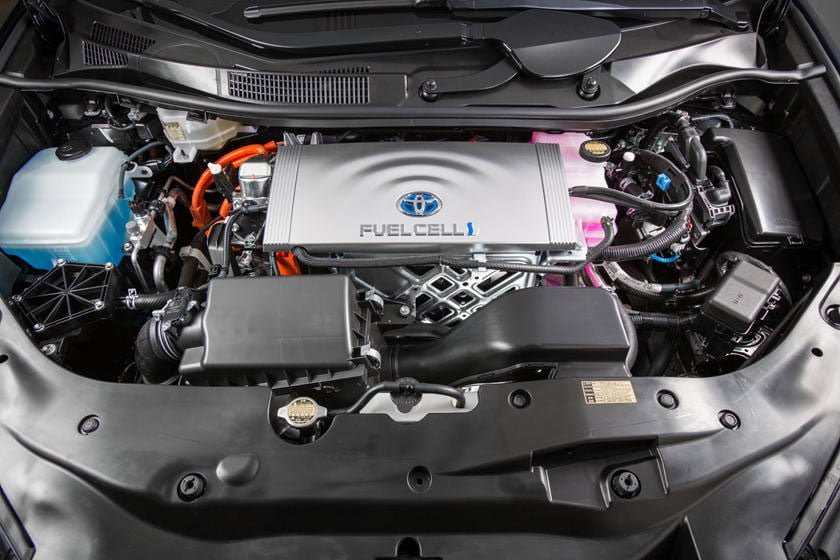
In recent years, hydrogen-powered cars have emerged as a promising alternative to traditional gasoline-powered vehicles. These vehicles utilize hydrogen fuel cells to generate electricity, producing only water vapor as a byproduct. This revolutionary technology has the potential to transform the automotive industry and pave the way for a more sustainable future.
One of the key advantages of hydrogen-powered cars is their environmental impact. Unlike gasoline-powered vehicles, which emit harmful greenhouse gases, hydrogen-powered cars produce zero emissions. This makes them a crucial tool in combating climate change and reducing air pollution. According to the International Energy Agency, transportation accounts for approximately one-quarter of global CO2 emissions. By transitioning to hydrogen-powered cars, we can significantly reduce our carbon footprint and work towards a cleaner and greener planet.

Moreover, hydrogen-powered cars offer several benefits in terms of performance and efficiency. These vehicles have a longer range compared to electric cars, with some models capable of traveling over 300 miles on a single tank of hydrogen. Additionally, refueling a hydrogen-powered car takes just a few minutes, similar to the time it takes to fill up a gasoline-powered vehicle. This eliminates the range anxiety often associated with electric cars, where charging times can be significantly longer. With hydrogen-powered cars, drivers can enjoy the convenience of quick refueling without compromising on range or performance.
Advantages and Challenges of Hydrogen-Powered Cars: A Promising Future for Sustainable Transportation
While hydrogen-powered cars offer numerous advantages, there are also challenges that need to be addressed for their widespread adoption. One of the main challenges is the lack of infrastructure. Currently, there are limited hydrogen refueling stations globally, making it difficult for drivers to access this fuel source. However, efforts are underway to expand the infrastructure, with countries like Japan and Germany leading the way. As the infrastructure improves, the adoption of hydrogen-powered cars is expected to increase.
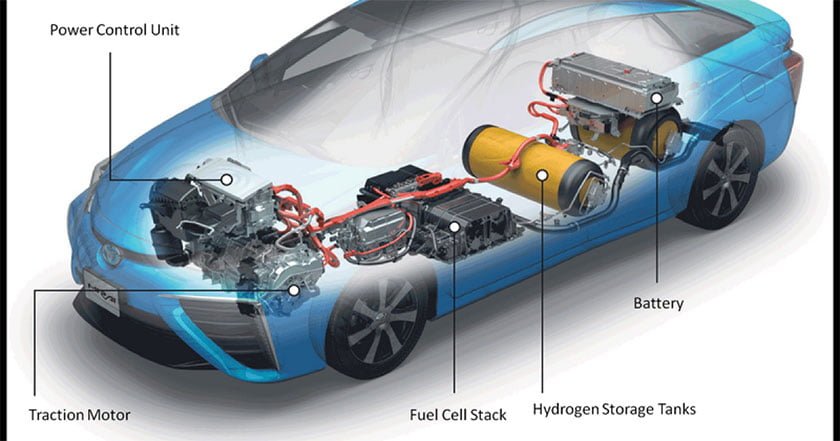 Another challenge is the cost of production and storage of hydrogen. Currently, producing hydrogen is energy-intensive and expensive. However, advancements in technology and economies of scale are driving down the cost of production. Additionally, storing hydrogen safely and efficiently remains a challenge. While advancements have been made in this area, further research and development are needed to make hydrogen storage more practical and cost-effective.
Despite these challenges, the future of hydrogen-powered cars looks promising. Major automakers such as Toyota, Honda, and Hyundai have already introduced hydrogen-powered models to the market, with more expected to follow suit. The potential for hydrogen-powered cars extends beyond personal transportation. They can also be utilized in public transportation, commercial fleets, and even as a source of backup power for buildings.
In conclusion, hydrogen-powered cars have the potential to revolutionize the automotive industry and contribute to a more sustainable future. With zero emissions, longer range, and quick refueling times, these vehicles offer numerous advantages over traditional gasoline-powered cars. While challenges such as infrastructure and cost remain, ongoing advancements in technology and increasing investments in hydrogen infrastructure are paving the way for a promising future. As we strive to reduce our carbon footprint and combat climate change, hydrogen-powered cars are emerging as a game-changer in the automotive world.