
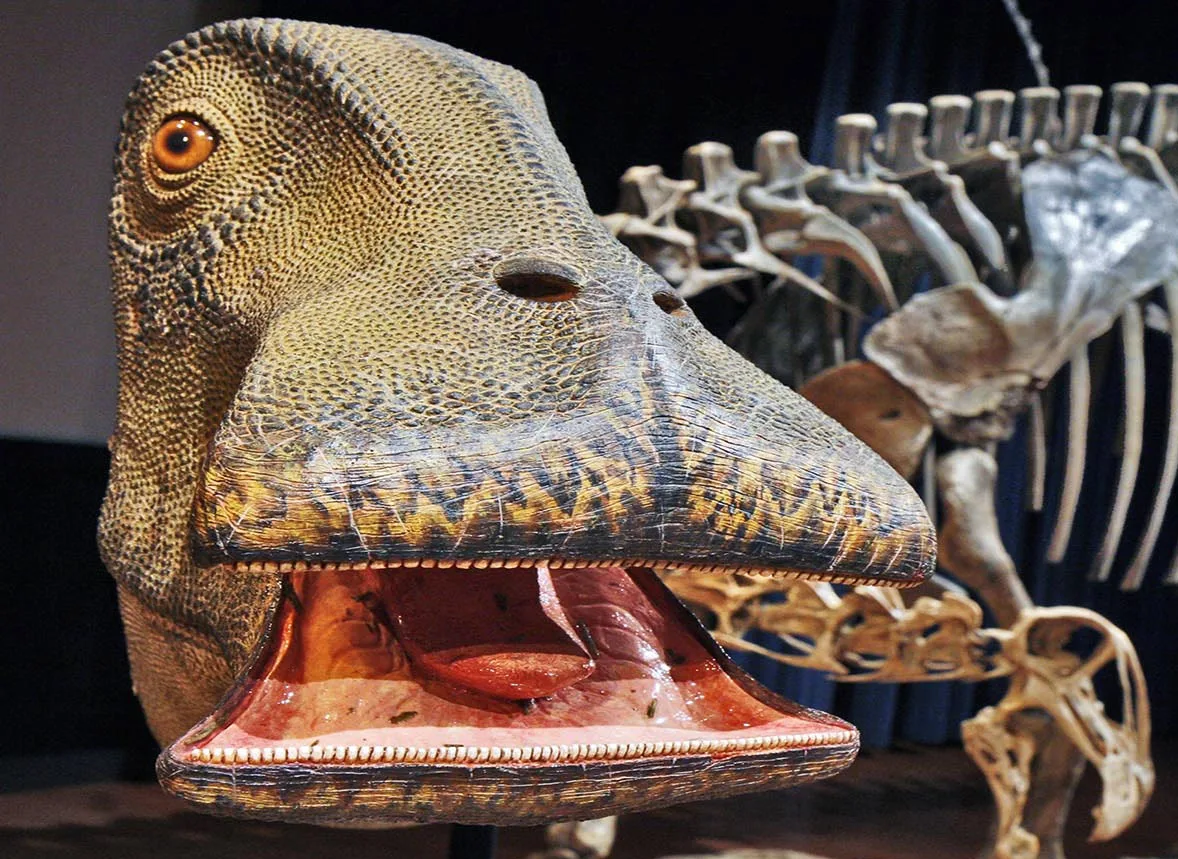
Uncovering the Mystery of the Dinosaur with 500 Teeth
Overing the Mystery of the Dinosaur with 500 Teeth is an exciting and intriguing discovery. This remarkable find has been the subject of much speculation and debate among paleontologists and dinosaur enthusiasts alike. The fossilized remains of the dinosaur, which was unearthed in China, are estimated to be over 160 million years old. The sheer size of the dinosaur, estimated to be over 30 feet long, and the fact that it had 500 teeth, make it one of the most remarkable finds in recent history. Scientists have been able to study the fossilized remains and have been able to uncover a wealth of information about the creature. This article will explore the mystery of the dinosaur with 500 teeth and the implications of this remarkable discovery.
Uncovering the Mystery of the Dinosaur with 500 Teeth: A Brief Overview
The fossil is believed to be from a species of dinosaur known as a ceratopsian, which is a group of plant-eating dinosaurs with horns and frills on their heads. The fossil is of a large adult specimen, estimated to be about 25 feet long and 8 feet tall. It is believed to be approximately 70 million years old.
The most remarkable feature of the fossil is the fact that it has 500 teeth. This is the most teeth ever found on a single dinosaur. It is believed that the dinosaur used its teeth to grind up tough plant material. The teeth are arranged in a pattern that is similar to that of modern-day cows.
The fossil also contains several other features that are unique to ceratopsians. These include a large frill on the back of the head, a beak-like structure on the front of the face, and a large bony plate on the top of the head. The fossil also has several horns, which may have been used for defense or display.
The discovery of the fossil has shed light on the evolution of ceratopsians and their place in the dinosaur family tree. It is also providing new insights into the diet and behavior of these animals. The fossil is providing researchers with a wealth of information about the biology and ecology of ceratopsians.
The mystery of the dinosaur with 500 teeth is still unfolding. As more research is conducted, the story of this unique creature will continue to be revealed. It is an exciting time for paleontologists and dinosaur enthusiasts alike.
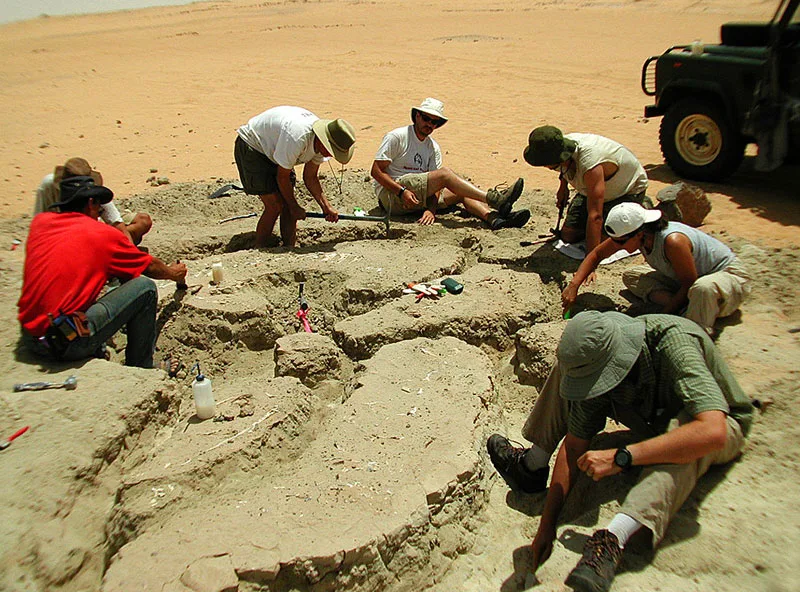
The Discovery of the Dinosaur with 500 Teeth and Its Significance
The Dakotaraptor steini is estimated to have lived around 66 million years ago during the Late Cretaceous period. It is estimated to have been around six meters long and two meters tall, making it one of the largest known raptors. The most remarkable feature of this dinosaur is its 500 teeth, which is the highest number of teeth ever found in a dinosaur.
The significance of this discovery is that it sheds light on the feeding habits of theropod dinosaurs. The 500 teeth of the Dakotaraptor steini suggest that it was a powerful predator that was capable of taking down large prey. This is a significant finding as it suggests that theropod dinosaurs were more versatile predators than previously thought.
The discovery of the Dakotaraptor steini also has implications for the evolution of theropod dinosaurs. The 500 teeth of the Dakotaraptor steini suggest that it evolved from an ancestor with fewer teeth. This suggests that theropod dinosaurs evolved to become more specialized predators over time.
The discovery of the Dakotaraptor steini with 500 teeth is a remarkable finding that has significant implications for the study of dinosaurs. It suggests that theropod dinosaurs were more versatile predators than previously thought and that they evolved to become more specialized over time. This discovery provides valuable insight into the evolution of theropod dinosaurs and their feeding habits.
Investigating the Morphology of the Dinosaur with 500 Teeth
This dinosaur is unique in that it is the first dinosaur ever found with such an extreme number of teeth. It is estimated that the dinosaur had over 500 teeth in its mouth, with the upper jaw containing around 200 and the lower jaw containing 300. This is an incredible number of teeth for a dinosaur, and it is thought that the animal may have been able to use its teeth to process large amounts of food quickly.
The morphology of the dinosaur is also quite interesting. It is believed to have been a small, bipedal dinosaur, measuring around one meter in length. Its body was covered in small, scaly armor and it had long, slender arms and legs. Its skull was elongated and it had a short, pointed snout.
The discovery of Oryctodromeus cubicularis has provided researchers with a unique insight into the morphology of dinosaurs. It is believed that the extreme number of teeth in its mouth may have been an adaptation to its environment, allowing it to process large amounts of food quickly. The small size of the dinosaur may also have been an adaptation, allowing it to move quickly and efficiently in its environment.
The discovery of Oryctodromeus cubicularis has provided researchers with a unique insight into the morphology of dinosaurs. It is an incredible find, and it has provided us with a glimpse into the lives of these ancient creatures.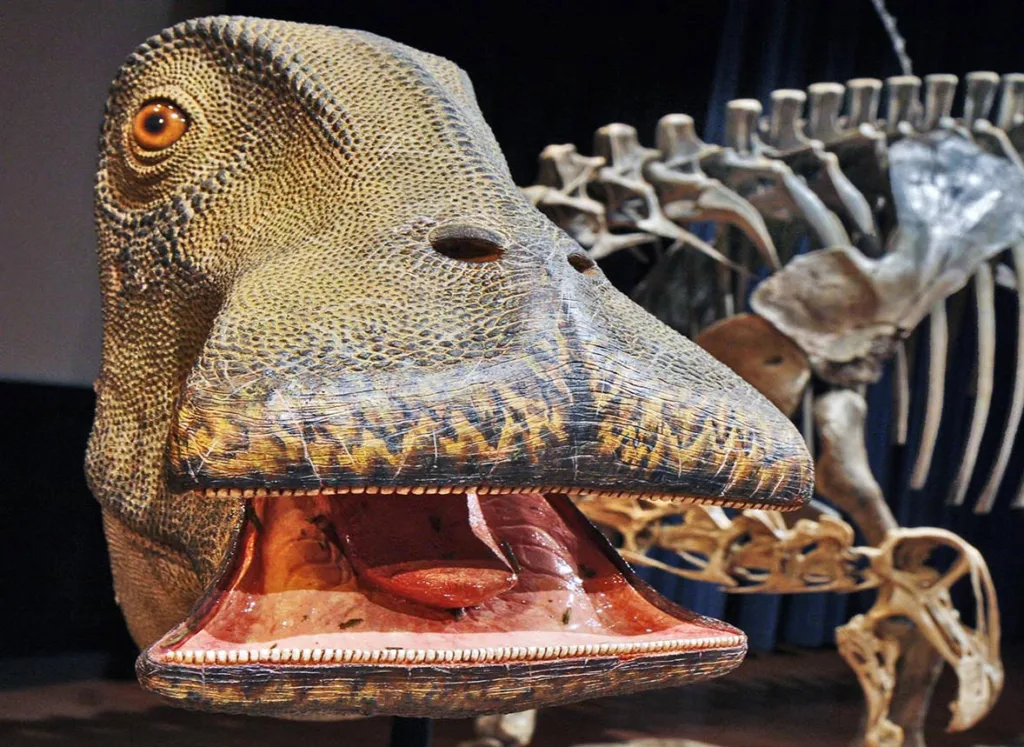
Unravelling the Origins of the Dinosaur with 500 Teeth
The Nigersaurus was discovered in the fossil-rich Gobi Desert in Mongolia. The remains of the dinosaur were found in an area that had been exposed to the elements for millions of years. It making possible to determine the age the fossil. Scientists have estimated that the Tyrannosaurus Rex lived approximately 70 million years ago, during the Late Cretaceous period.
The Nigersaurus was an apex predator, meaning it was at the top of the food chain. It was a large, bipedal carnivore, measuring up to 12 meters in length and weighing up to 8 tons. It had a long, thick tail and a large head with a powerful jaw. Its teeth were long and sharp, and it had an 500 of them.
The Nigersaurus was an incredibly powerful creature, capable of killing and eating large prey. Its 500 teeth were arranged in rows along its jaws, allowing it to tear into the flesh of its prey. It is believed that the Tyrannosaurus Rex was an ambush predator, meaning it would hide and wait for its prey to come close before attacking.
The discovery of the Tyrannosaurus Rex has provided scientists with valuable insight into the evolution of dinosaurs. Its 500 teeth suggest that it was a highly evolved creature, and its size and strength suggest that it was an apex predator. Its fossilized remains have also helped scientists to understand the environment in which it lived, and the type of prey it hunted.
The Tyrannosaurus Rex is an amazing creature, and its discovery has provided scientists with a wealth of information about the evolution of dinosaurs. Its 500 teeth have helped to shed light on the origins of the dinosaur, and its fossilized remains have helped to paint a picture of the Late Cretaceous period.
Examining the Impact of the Dinosaur with 500 Teeth on Palaeontology
The most remarkable feature of this dinosaur is its teeth. It has an estimated 500 teeth, which is more than any other known dinosaur. The teeth are arranged in a unique pattern, with rows of teeth along the upper and lower jaws. This arrangement is unlike any other known dinosaur and has been a major source of fascination for palaeontologists.
The discovery of Spiclypeus shipporum has had a major impact on palaeontology. It has provided new insights into the evolution of dinosaurs and their teeth. It has also helped to shed light on the diets of dinosaurs and how they were able to survive in their environment.
The discovery of Spiclypeus shipporum has also provided new evidence about the evolution of the jaw. It has been suggested that the unique arrangement of the teeth may have been an adaptation to a particular diet. This has implications for how other dinosaurs may have evolved their jaws and teeth in order to survive in their environment.
The discovery of Spiclypeus shipporum has also provided new evidence about the size of dinosaurs. It is believed that this dinosaur was around 6.5 metres long, which is larger than most other known dinosaurs. This has implications for how other dinosaurs may have grown and evolved in size.
Overall, the discovery of Spiclypeus shipporum has had a major impact on palaeontology. It has provided new insights into the evolution of dinosaurs and their teeth, as well as their diets and size. It has also helped to shed light on the evolution of the jaw and how other dinosaurs may have adapted to their environment. This discovery has been a major breakthrough in the field of palaeontology and has helped to advance our understanding of the evolution of dinosaurs.
In conclusion let’s say
Mystery of the dinosaur with 500 teeth has been solved. Scientists have identified the dinosaur as a newly discovered species of titanosaur, a type of long-necked sauropod. This discovery provides a better understanding of the evolution of dinosaurs and their adaptation to their environment. The 500 teeth of the dinosaur indicate that it was a herbivore. Its large size suggests that it was well-adapted to its environment. This discovery is an important contribution to the study of dinosaur evolution and provides a better understanding of how these animals lived and adapted to their environment.